Product Engineering
Build the product as a coordinated system.
Product engineering brings material layers, absorbent architecture, fit and packaging into one buyer-led specification—so individual choices can be reviewed in context.

The product system
Every layer has a role. Every choice creates a trade-off.
A hygiene product is not a stack of isolated materials. Surface feel, acquisition, distribution, core behavior, containment, fit and pack presentation interact with the intended user experience and commercial brief.
Engineering begins by making those relationships visible, then translating the agreed direction into a reviewable specification.
Exploded architecture
A conceptual map of the absorbent product system.
Material system · conceptual view
Illustrative spacing · not to scaleTop sheet
The skin-contact surface and first point of acquisition.
Surface character, softness direction, fluid passage and intended wear experience.Acquisition / distribution layer
A transition layer that helps move fluid away from the surface and into the absorbent structure.
Acquisition direction, distribution behavior, resilience and coordination with the core.Absorbent core
The central absorbent structure, defined around use context and the agreed performance brief.
Core geometry, integrity, bulk, acquisition interface and retention priorities.SAP / pulp system
A core-system decision where superabsorbent polymer and pulp roles are evaluated together.
Distribution, integrity, product thickness and buyer-defined performance requirements.Fit & containment
Construction extends beyond the absorbent stack.
Elastic, fastening and leak-containment systems are considered where relevant to the product format. Their geometry and requirements are defined for the specific brief.
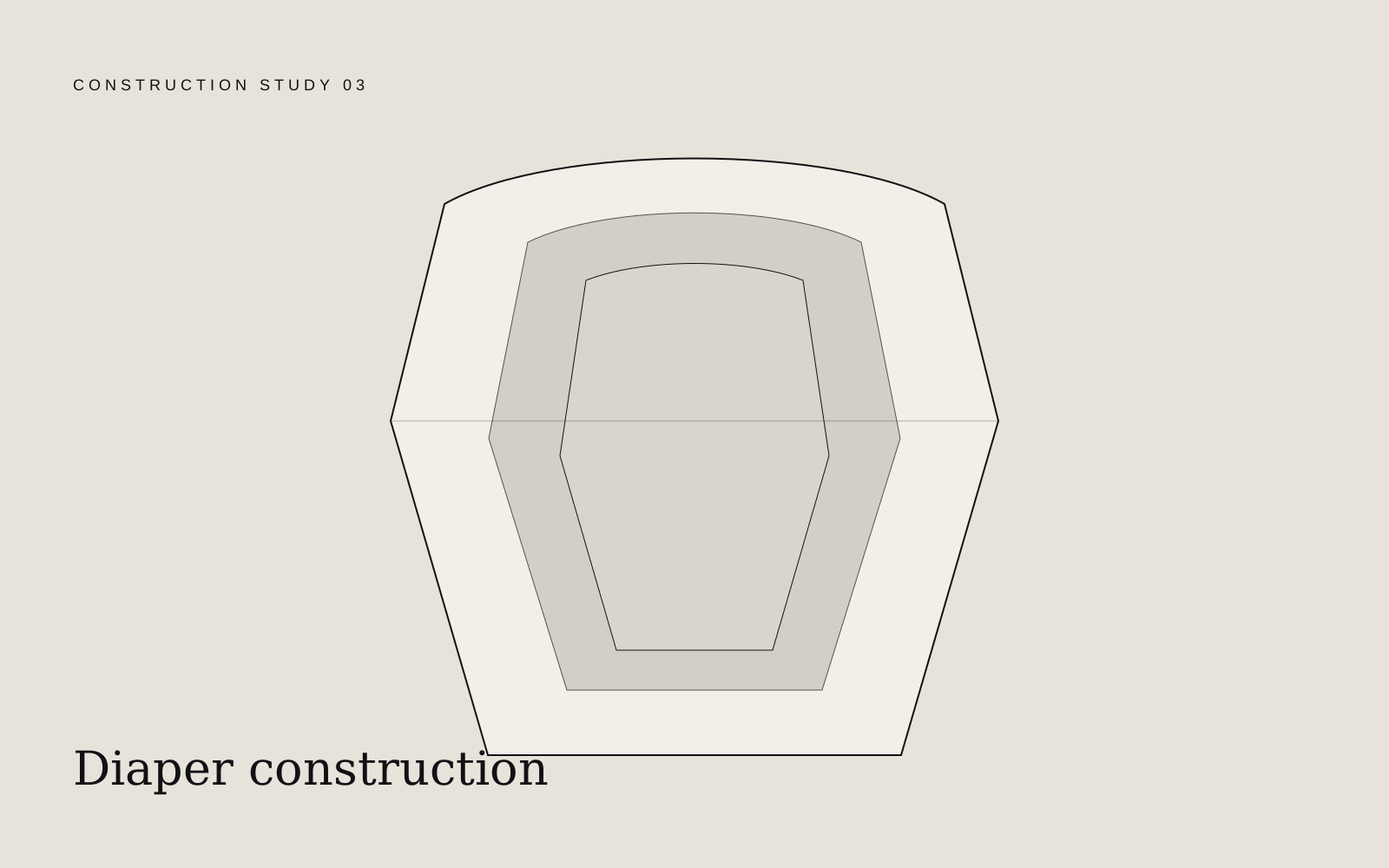
System layers
- 01Waist system
Fit and extension direction where relevant.
- 02Leg elastics
Placement and fit requirements for the format.
- 03Leak guards
Containment geometry where included in the brief.
- 04Fastening
Tape or pull-on construction direction.
Callout positions are explanatory controls, not measurements, tolerances, test outcomes or evidence of performance.
Packaging engineering
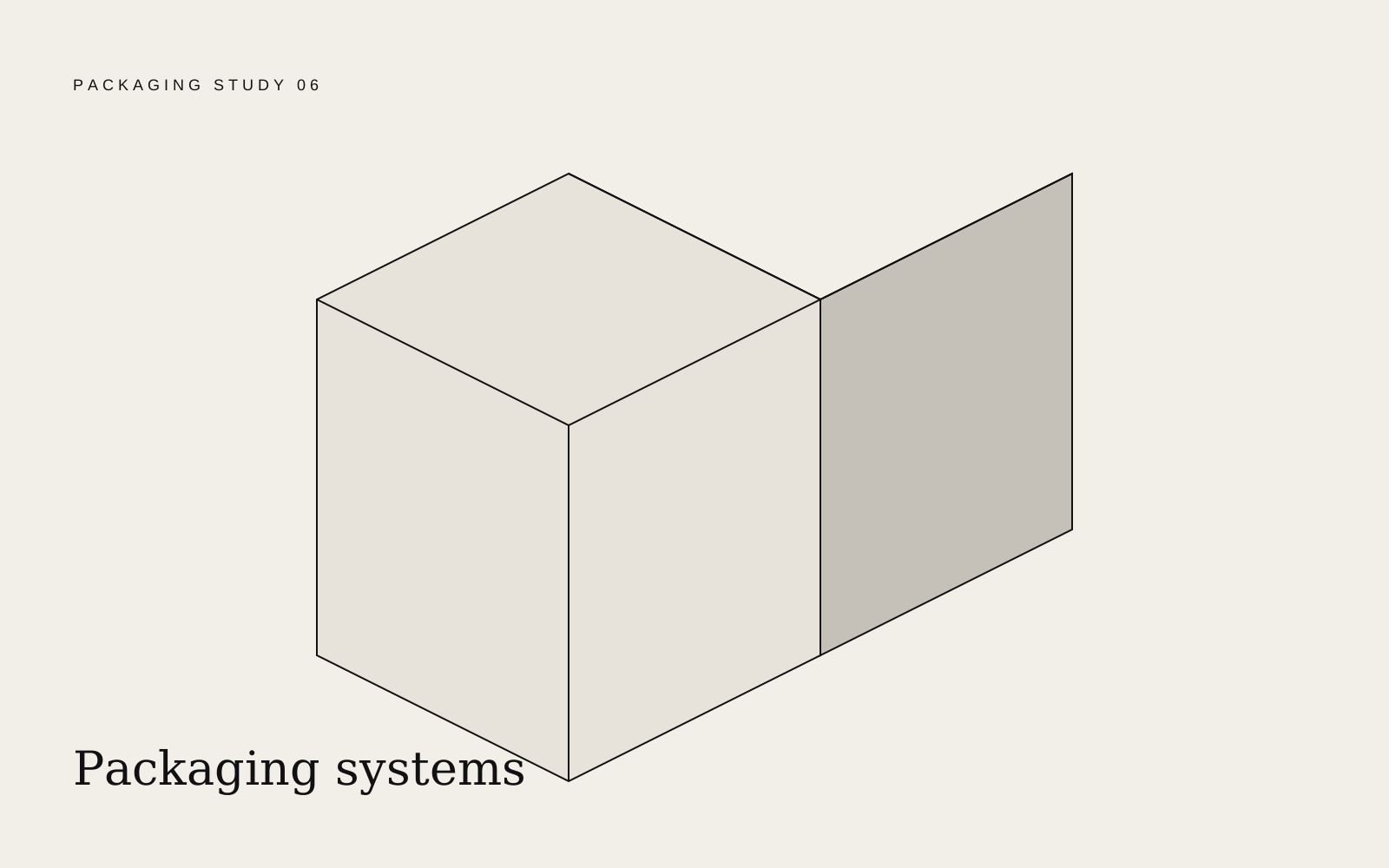
The pack is part of the product system.
Packaging discussions connect product count, compression, primary material direction, artwork zones, language requirements, secondary cases and distribution assumptions. Final configurations are confirmed against the buyer brief and supply program.
- 01Pack count and assortment
- 02Primary pack structure
- 03Artwork, claims and language zones
- 04Case configuration and markings
- 05Destination-channel requirements
Development logic
Move from intended outcome to reviewable architecture.
- 01
Frame
Define user, occasion, market and channel.
- 02
Prioritize
Rank performance, fit and commercial requirements.
- 03
Architect
Map layers, components, construction and pack direction.
- 04
Review
Evaluate the concept against the agreed buyer brief.
- 05
Validate
Confirm methods, criteria and evidence for the program.
Evaluation methods, performance criteria and technical evidence are agreed for the specific product program; they are not inferred from these diagrams.
Custom product development