OEM Baby Diaper Manufacturing
Engineer the baby diaper brief around fit, movement and market context.
For brands and procurement teams defining tape or pant-style baby diaper programs around buyer-specific sizes, product priorities and packaging requirements.
Program context
A baby diaper program is a size and construction system.
Tape and pant-style directions solve different use and movement needs. The intended format, size architecture, fit priorities and product position should be explicit in the OEM brief.
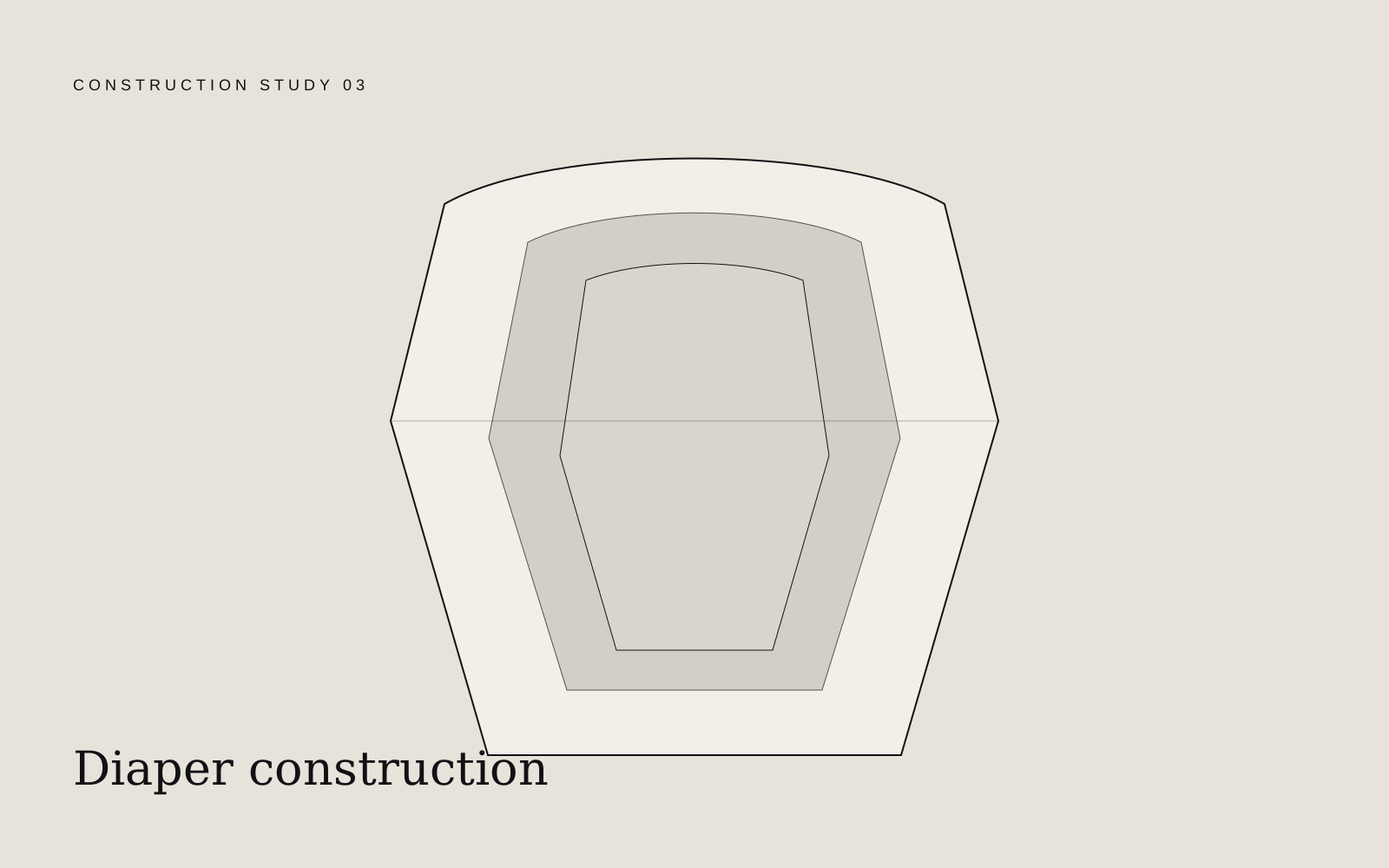
Topsheet, acquisition and distribution, SAP and pulp core direction, backsheet, elastic and containment requirements must be considered together and confirmed for the specific program.
Who this route may suit
- 01Baby care brands with a target tape or pant product
- 02Retailers developing a private or exclusive diaper range
- 03Distributors adapting size and pack architecture to a market
- 04Procurement teams comparing buyer-defined diaper programs
Decision framework
Four decisions organize the baby diaper brief.
- 01
Format
Choose tape or pant direction according to use context, positioning and intended size range.
- 02
Fit architecture
Define size logic, waist and leg requirements, fastening direction and mobility priorities.
- 03
Absorbent system
Frame the acquisition, distribution, SAP and pulp, core integrity and containment requirements.
- 04
Market system
Connect the product range to pack count, price, channel, language and destination requirements.
Review path
From size architecture to a reviewable diaper program.
- 01
Frame
Format, market, user and range intent
- 02
Define
Size, fit, core and containment requirements
- 03
Review
Sampling and size-specific evaluation path
- 04
Validate
Product, pack and buyer acceptance inputs
- 05
Prepare
Confirmed commercial and manufacturing brief
Sequence, feasibility and responsibilities are confirmed only after review of the product, buyer requirements and commercial brief.
Buyer brief
What to include in an OEM baby diaper RFQ.
The buyer brief should make size, fit and use assumptions visible so product and commercial questions can be reviewed together.
Send this requirement- 01
Tape or pant-style product direction
- 02
Destination market, channel and intended user context
- 03
Buyer-defined size structure and fit priorities
- 04
Absorbent-system, containment and material requirements
- 05
Benchmark, evaluation methods and acceptance criteria
- 06
Pack counts, artwork, languages and launch assumptions
Quality definition
Quality requirements should follow the size and construction brief.
Each size and format requires clearly identified dimensions, construction references, evaluation criteria, packaging inputs and release expectations.
- Size-specific dimensions and construction references
- Elastic, fastening and containment requirements
- Buyer-defined evaluation methods and criteria
- Pack count, size identification and release records
Packaging system
Build pack architecture around size, channel and shopper clarity.
Size identification, count, variant hierarchy, artwork, language, primary pack and cases should work as one system for the intended destination market.
- Size and variant identification
- Count and assortment structure
- Artwork, language and claim responsibilities
- Case configuration and shipment markings
Discuss the buyer brief